Why Bone Health Matters (More Than You Think)
October 7, 2026
Your bones are living tissue that constantly break down and rebuild. But starting around age 30, bone mass naturally begins to decline, often without any warning signs. Osteoporosis is known as a “silent disease” because bone loss occurs silently and painlessly until a sudden fracture occurs.
-
The Reality of Bone Loss: Globally, 1 in 3 women and 1 in 5 men over the age of 50 will suffer an osteoporotic fracture in their lifetime.
-
Impact on Independence: An osteoporotic fracture occurs every 3 seconds worldwide. Bone fractures—especially hip fractures—can drastically impact mobility, long-term independence, and overall quality of life.
-
It’s Preventable: Up to 80% of premature bone loss can be prevented through optimal nutrition, regular strength-building movement, and proactive health habits.
Whether you want to build strong bones early in life, prevent postmenopausal bone loss, or protect your skeleton as you age, targeted nutrition is your strongest defense.
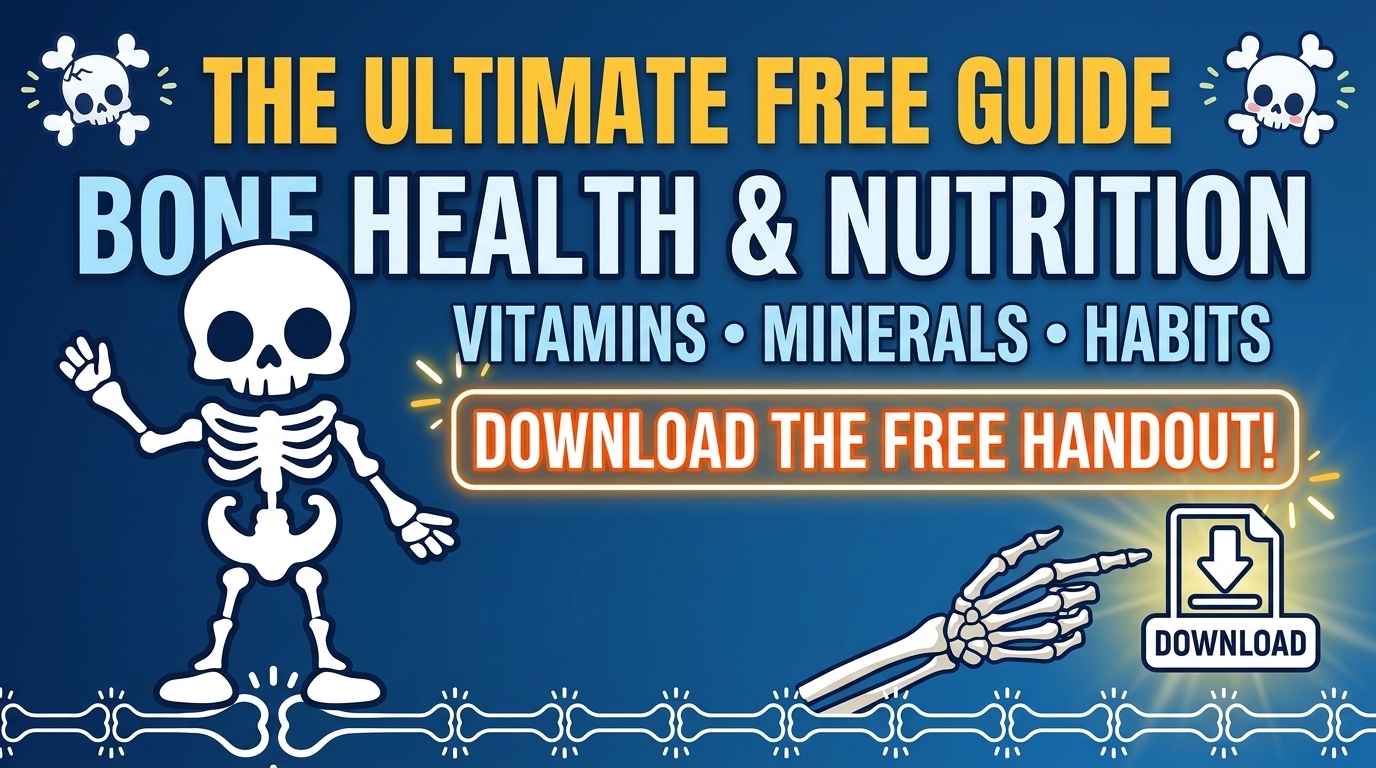
Master Your Bone Health: What’s Inside Your Free Guide
This quick-reference guide breaks down the science of skeletal health into clear, actionable steps:
-
The 4 Key Bone Builders: Go beyond basic calcium to learn how Calcium, Magnesium, Phosphorus, and Vitamin K work together to keep bones dense and strong.
-
Nutrient-Dense Foods: Discover top everyday dietary sources—including leafy greens, fatty fish, dairy, seeds, and fortified foods—that naturally nourish your skeleton.
-
Supplement Bioavailability: Learn which supplement forms (such as calcium citrate vs. carbonate, or magnesium glycinate) absorb best in your body.
-
Lifestyle & Exercise Drivers: Uncover how weight-bearing exercises and hormone levels stimulate bone formation, plus common dietary habits (like excess sodium, alcohol, or caffeine) that drain bone strength.
-
Medications That Secretly Weaken Bones: Identify common prescription drugs—such as PPIs, SSRIs, steroids, and thyroid/anticonvulsant meds—that can accelerate bone loss or hinder nutrient absorption.
-
Lab Markers & Safety Ranges: Check standard blood reference ranges, Daily Recommended Intakes (DRI), and upper safety limits for key bone minerals.
Protect Your Skeleton Today
Don’t wait for a fracture to take control of your bone density. Click below to download your free printable PDF handout instantly!